
Thermo King Tripac Troubleshooting Manual: An In-Depth Guide
This manual provides comprehensive guidance for diagnosing and resolving issues within the Thermo King Tripac APU system, covering error codes, maintenance, and advanced repairs.
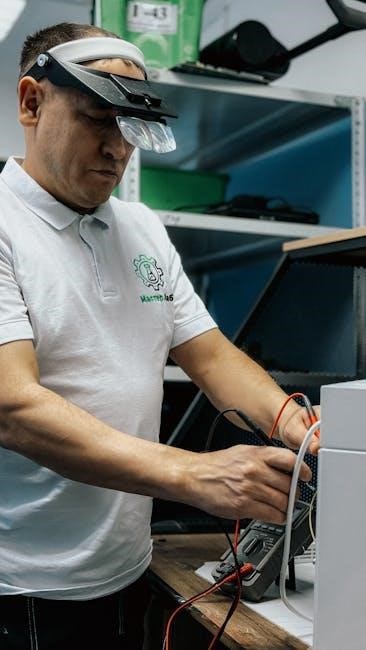
The Thermo King Tripac APU (Auxiliary Power Unit) is a vital component for long-haul trucking, providing in-cab climate control and power without idling the main engine. This significantly reduces fuel consumption, engine wear, and emissions. Understanding the Tripac system is crucial for drivers and fleet managers alike; This troubleshooting manual focuses on the TS KS TriPac APU Md. 727,56-909,44, and the newer TriPac Evolution models, like the SLXe-200.
Common issues include refrigerant leaks, reduced cooling efficiency, and electrical system malfunctions. Modern units feature digital diagnostics displaying error codes, aiding in pinpointing problems. Regular maintenance, including filter cleaning and refrigerant charge checks, is paramount for reliable operation. This guide will equip you with the knowledge to interpret these codes and perform effective troubleshooting.
Understanding Tripac System Components
The Thermo King Tripac APU comprises several key components working in harmony. These include the compressor, responsible for circulating refrigerant; the condenser and evaporator coils, facilitating heat exchange; and a fan motor ensuring airflow. The electrical system powers these components, relying on a robust wiring harness and control modules. Proper refrigerant charge is critical for optimal cooling.
Understanding the interaction between these parts is essential for effective troubleshooting. Issues often stem from failures within these components, such as compressor malfunctions or coil blockages. Diagnostic procedures utilize the Tripac’s display to identify fault codes related to specific components. Regular inspection and maintenance of each part contribute to the APU’s longevity and performance.
Common Thermo King Tripac Issues
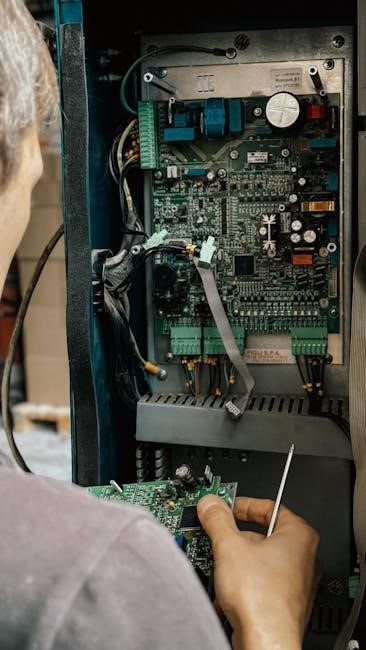
Frequent problems include refrigerant leaks, reduced cooling efficiency, and electrical system malfunctions, often signaled by diagnostic error codes requiring immediate attention.
Refrigerant Leaks: Identification and Repair
Identifying refrigerant leaks is crucial for maintaining optimal Thermo King Tripac performance. Begin by visually inspecting all refrigerant lines, connections, and the compressor for signs of oil residue, which often indicates a leak point. Utilize an electronic leak detector to pinpoint the exact location, even for small, hard-to-find leaks.
Once located, the affected component must be repaired or replaced. For minor leaks at fittings, tightening may suffice, but damaged lines or components require professional brazing or replacement. After repair, a thorough evacuation and recharge with the correct refrigerant type and quantity are essential. Always pressure test the system to confirm the leak is fully resolved before returning the unit to service. Proper handling of refrigerant is vital for environmental safety and system longevity.
Low Cooling Efficiency: Causes and Solutions
Reduced cooling capacity in a Thermo King Tripac APU can stem from several factors. A common cause is insufficient refrigerant charge, requiring careful diagnosis and recharging by a qualified technician. Dirty condenser or evaporator coils restrict airflow, diminishing heat exchange; regular cleaning is vital.
Additionally, a failing compressor, blocked filter drier, or malfunctioning fan motor can contribute to low efficiency. Inspect the compressor for proper operation and the filter drier for restrictions. Verify fan motor functionality. Addressing these issues promptly restores optimal cooling. Maintaining detailed service records, including refrigerant levels and component checks, aids in proactive troubleshooting and prevents future performance declines.
Electrical System Problems: Diagnosis
Diagnosing electrical issues within the Thermo King Tripac APU requires a systematic approach. Begin by checking the power supply – ensure proper voltage and secure connections. Inspect fuses and circuit breakers for any signs of failure, replacing them as needed. Utilize a multimeter to test wiring for continuity and shorts to ground.
Pay close attention to the control module and associated wiring harness, as these are common failure points. A diagnostic scan can reveal stored error codes pinpointing specific electrical faults. Always disconnect power before working on electrical components and adhere to safety precautions. Thorough documentation of testing procedures and results is crucial for effective repair.

Decoding Thermo King Tripac Error Codes
Understanding Tripac error codes is vital for efficient troubleshooting; these codes, displayed digitally, indicate specific system faults requiring immediate attention and repair.
Constant Error Codes: Persistent Faults
Constant error codes on the Thermo King Tripac APU indicate ongoing, unresolved system failures demanding immediate attention. Unlike intermittent codes, these remain displayed, signaling a consistent problem hindering operation.
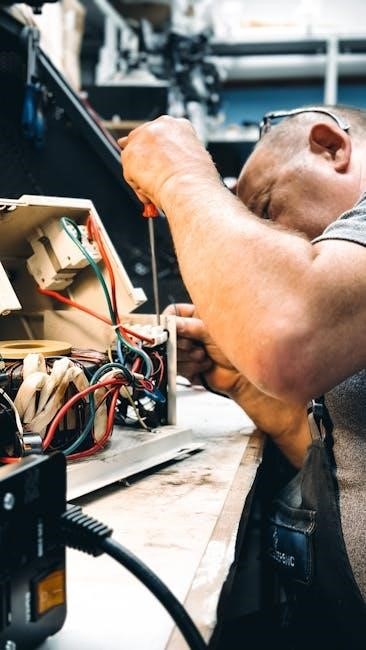
These persistent faults often relate to critical components like the compressor, refrigerant charge, or essential sensors. Ignoring constant codes can lead to escalating damage and complete system shutdown. Thorough diagnosis, utilizing the Tripac diagnostic display and scan tools, is crucial.
Common constant errors include those related to low refrigerant levels, compressor malfunctions, or sensor failures. Repairing the underlying issue and clearing the code is essential before resuming operation. Detailed records of these codes, alongside repair actions, are vital for preventative maintenance.
Intermittent Error Codes: Troubleshooting Steps
Intermittent error codes on the Thermo King Tripac APU present a unique challenge, appearing and disappearing without consistent display. These suggest a sporadic fault, potentially caused by loose connections, fluctuating voltage, or temperature-sensitive components.
Troubleshooting requires careful observation and documentation of when the code appears – noting operating conditions like engine load, ambient temperature, and system mode. Begin by inspecting wiring harnesses and connectors for corrosion or looseness.
Performing a system diagnostic scan while the code is active can provide valuable clues. If the code vanishes before a scan, attempt to replicate the conditions that triggered it. A detailed maintenance log, including these intermittent occurrences, aids in identifying patterns and preventing future issues.
Specific Error Code Breakdown (Example: E1, E2, E3)
Thermo King Tripac APU error codes offer specific insights into system malfunctions. For instance, an E1 code often indicates a low refrigerant charge, requiring leak detection and recharge procedures. An E2 code frequently points to a high discharge pressure, potentially caused by a condenser fan failure or blockage.
E3 typically signals a low suction pressure, suggesting compressor issues or refrigerant restrictions. However, these are examples; consult the official Thermo King documentation for precise definitions.
Always verify the code with a diagnostic scan and consider related symptoms. Addressing the root cause, not just the code, is crucial for lasting repairs. Maintaining a detailed log of error codes and resolutions is highly recommended.
Tripac Diagnostic Procedures
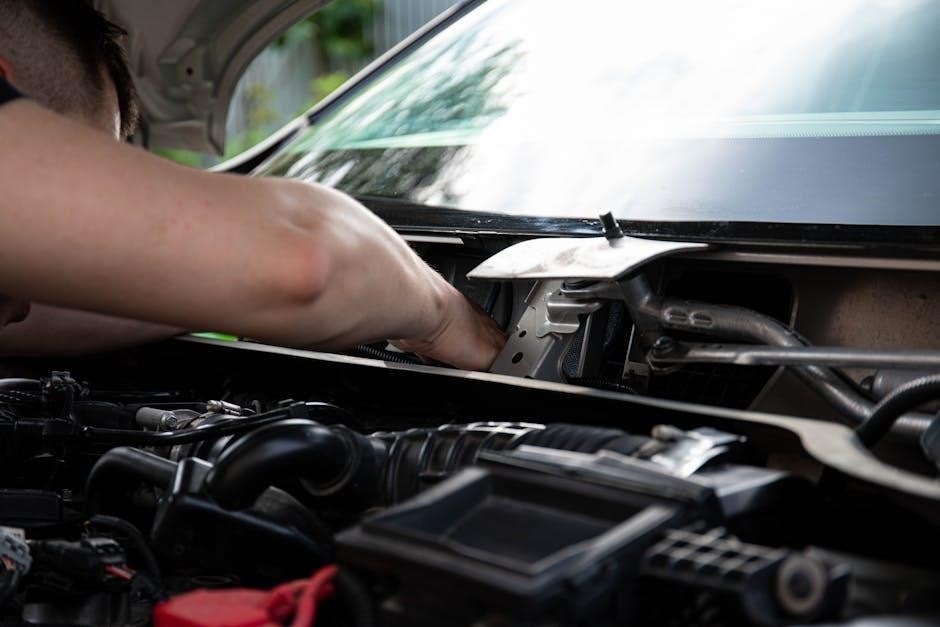
Effective troubleshooting relies on utilizing the Tripac diagnostic display and performing comprehensive system scans to accurately interpret results and pinpoint failures.
Using the Tripac Diagnostic Display
The Tripac diagnostic display serves as a crucial interface for understanding the APU’s operational status and identifying potential problems. Modern Thermo King units, like the SLXe-200 or TriPac Evolution, are equipped with digital diagnostics, presenting error codes directly on this display.
Familiarize yourself with the display’s layout and symbols. Pay close attention to any illuminated warning lights or displayed error codes. These codes are the first step in pinpointing the source of a malfunction. Regularly checking the display, even during routine operation, can help detect minor issues before they escalate into major repairs.
Remember to document any observed codes or unusual readings in a maintenance log for future reference and analysis. A detailed log assists in tracking recurring problems and evaluating the effectiveness of repairs.
Performing a System Diagnostic Scan
A comprehensive system diagnostic scan is essential for accurately identifying Thermo King Tripac issues beyond what’s immediately visible on the display. This process involves utilizing the APU’s built-in diagnostic capabilities to access detailed system data.
Initiate the scan through the diagnostic menu, typically accessible via a specific button sequence on the control panel. The scan will evaluate various components, including the compressor, condenser, evaporator, and electrical systems.
Record all scan results, including any error codes, sensor readings, and system parameters. This data provides valuable insights into the APU’s performance and helps pinpoint the root cause of malfunctions. Proper interpretation of these results is key to effective troubleshooting.
Interpreting Diagnostic Results
Successfully interpreting Thermo King Tripac diagnostic results requires a systematic approach and understanding of the APU’s operating principles. Error codes are the primary indicators, each corresponding to a specific fault within the system.
Consult the Tripac troubleshooting manual or online resources to decipher the meaning of each code. Sensor readings, such as temperature and pressure values, should be compared to the manufacturer’s specifications. Deviations suggest potential component failures or performance issues.
Analyze the combined data to identify patterns and correlations. A single error code may indicate a cascading effect from another underlying problem. Careful analysis ensures accurate diagnosis and targeted repairs.

Maintenance and Prevention
Proactive maintenance, including regular filter checks, refrigerant charge verification, and detailed record-keeping of error codes, minimizes downtime and extends Tripac lifespan.
Regular Maintenance Schedule
Establishing a consistent maintenance schedule is crucial for optimal Thermo King Tripac performance and longevity. Monthly inspections should include a thorough examination of all refrigerant lines for leaks, checking condenser and evaporator coil cleanliness, and verifying proper fan operation.
Every six months, replace air filters and inspect drive belts for wear and tear. Annually, a qualified technician should perform a comprehensive system diagnostic scan, assess refrigerant levels, and calibrate the unit. Maintaining a detailed log of all maintenance activities, including dates, observations, and any encountered error codes, is highly recommended.
This proactive approach helps identify potential issues before they escalate into major repairs, reducing downtime and ensuring reliable operation. Remember to consult the official Thermo King documentation for specific maintenance intervals tailored to your Tripac model.
Importance of Refrigerant Charge
Maintaining the correct refrigerant charge within the Thermo King Tripac system is paramount for efficient cooling performance. Both undercharging and overcharging can significantly diminish the unit’s capacity and lead to component damage. Low refrigerant levels often manifest as reduced cooling efficiency and can trigger specific error codes on the diagnostic display.
Conversely, excessive refrigerant can strain the compressor and potentially cause system failure. Regular monitoring of refrigerant pressure and levels by a qualified technician is essential. Any detected leaks must be promptly identified and repaired to prevent further loss and environmental impact.
Accurate refrigerant charge ensures optimal heat transfer and prolongs the lifespan of critical components, contributing to reliable and cost-effective operation.
Filter Cleaning and Replacement
Regular filter cleaning and replacement are crucial preventative maintenance steps for the Thermo King Tripac APU. Dirty filters restrict airflow, reducing cooling efficiency and increasing the workload on the compressor and fan motors. This can lead to higher fuel consumption and potential system overheating.
Inspect filters frequently – ideally during every service interval – for dirt, debris, and obstructions. Clean reusable filters with mild soap and water, ensuring they are completely dry before reinstalling. Disposable filters should be replaced according to the manufacturer’s recommendations.
Properly maintained filters ensure optimal airflow, maximizing cooling performance and extending the lifespan of the entire system.
Advanced Troubleshooting Techniques
This section details complex diagnostics for compressor issues, condenser/evaporator coil problems, and fan motor failures within the Tripac system.
Compressor Issues: Diagnosis and Repair
Diagnosing compressor problems requires a systematic approach. Begin by verifying proper voltage supply and checking for tripped breakers or blown fuses. Listen for unusual noises – rattling, grinding, or excessive vibration – indicating internal damage.
A pressure test is crucial; low suction or high discharge pressure points to compressor inefficiency or internal leaks. Inspect the compressor oil for contamination or depletion. If the compressor fails to start, check the start capacitor and relay.
Repair often involves replacing the entire compressor unit, requiring refrigerant recovery, brazing new connections, evacuation, and recharging. Always adhere to EPA regulations regarding refrigerant handling. Proper diagnosis prevents further system damage and ensures optimal cooling performance.
Condenser and Evaporator Coil Problems
Condenser and evaporator coil issues significantly impact cooling efficiency. Inspect coils for physical damage – bent fins, corrosion, or debris accumulation. Restricted airflow due to dirt or blockage reduces heat transfer. Perform a thorough cleaning using a coil cleaner and gentle brush, avoiding damage to the fins.
Check for refrigerant leaks around coil connections using a leak detector. Frozen evaporator coils indicate low refrigerant charge or a faulty expansion valve. Inspect fan operation; a malfunctioning fan reduces airflow across the coils.
Repair may involve coil cleaning, fin straightening, leak repair, or component replacement. Regular inspection and maintenance prevent costly failures and maintain optimal system performance.
Fan Motor Failures: Troubleshooting
Fan motor failures commonly stem from electrical issues, bearing wear, or obstructions. Begin by verifying power supply to the motor using a multimeter. Check for open circuits or blown fuses. Inspect the motor windings for signs of overheating or damage using a visual inspection and resistance test.
Listen for unusual noises – grinding, squealing – indicating bearing problems. Manually rotate the fan blade to assess for smooth operation; resistance suggests bearing failure. Ensure the fan blade is free from obstructions like debris or ice buildup.
Troubleshooting may involve motor replacement, bearing lubrication (if applicable), or electrical repair;
Thermo King Tripac Evolution Specifics
The Evolution model features unique updates and calibration procedures, alongside distinct error codes requiring specialized diagnostic approaches for optimal performance and repair.
Unique Features of the Evolution Model
The Thermo King Tripac Evolution represents a significant advancement in auxiliary power unit technology, boasting several key features distinguishing it from earlier models. Notably, the Evolution incorporates enhanced digital diagnostics, providing more granular error code information for precise troubleshooting.
These units, like the SLXe-200 or TriPac Evolution, offer improved efficiency and reliability. The Evolution’s system updates and calibration capabilities are crucial for maintaining peak performance, requiring specialized tools and knowledge. Furthermore, the Evolution’s control system allows for more customizable settings, adapting to diverse operational needs.
Understanding these unique aspects is paramount when diagnosing and repairing Evolution models, as traditional troubleshooting methods may not be sufficient.
Evolution Error Code Differences
The Thermo King Tripac Evolution model exhibits distinct error code patterns compared to its predecessors, necessitating a specialized understanding for effective troubleshooting; Modern Evolution units feature advanced digital diagnostics, displaying codes that pinpoint specific faults with greater accuracy.
Common codes often indicate refrigerant levels, high discharge pressures, or sensor malfunctions. However, the interpretation of these codes differs from older Tripac systems. A detailed error code breakdown is essential, as the same numerical code can signify varying issues depending on the Evolution’s configuration.
Always consult the Evolution-specific technical documentation for accurate decoding and repair procedures.
Evolution System Updates and Calibration
Maintaining optimal performance of the Thermo King Tripac Evolution requires regular system updates and precise calibration. These updates, often delivered through Thermo King’s dealer network, address software bugs, enhance diagnostic capabilities, and improve overall efficiency.
Calibration is crucial after component replacements or refrigerant servicing, ensuring accurate sensor readings and proper system operation. Incorrect calibration can lead to inaccurate temperature control and increased fuel consumption.
Follow the manufacturer’s recommended procedures for updates and calibration, utilizing specialized diagnostic tools. Proper execution safeguards the longevity and reliability of the Evolution APU.
Resources and Support
Access Thermo King’s dealer network, online guides, and technical documentation for expert assistance, troubleshooting, and maintaining your Tripac APU effectively.
Thermo King Dealer Locator
Finding a qualified Thermo King dealer is crucial for professional service, genuine parts, and expert troubleshooting assistance for your Tripac APU. Thermo King maintains an extensive network of authorized dealers globally, equipped to handle all your maintenance, repair, and diagnostic needs.
To locate the nearest dealer, utilize the official Thermo King website’s dealer locator tool. This interactive map allows you to search by zip code, city, or state, providing contact information, addresses, and service capabilities. Authorized dealers possess certified technicians trained specifically on Thermo King systems, ensuring accurate diagnoses and effective repairs. They can assist with everything from routine maintenance to complex component replacements and refrigerant handling. Regular servicing by a qualified dealer helps maximize the lifespan and efficiency of your Tripac unit, preventing costly downtime and ensuring reliable performance.
Online Troubleshooting Guides
Numerous online resources supplement the official Thermo King Tripac troubleshooting manual, offering valuable assistance for diagnosing and resolving common issues. These guides often feature detailed diagrams, step-by-step instructions, and frequently asked questions addressing typical Tripac APU problems like refrigerant leaks, low cooling efficiency, and electrical system faults.
Websites and forums dedicated to commercial vehicle maintenance frequently host discussions and troubleshooting tips shared by experienced technicians; While these resources can be helpful, always verify information against the official Thermo King documentation. Remember to prioritize safety and consult a qualified technician for complex repairs or refrigerant handling. Utilizing these online guides alongside the manual empowers owners and operators to perform basic diagnostics and preventative maintenance, minimizing downtime and maximizing system reliability.
Technical Documentation Access
Accessing comprehensive technical documentation is crucial for effective Thermo King Tripac troubleshooting and maintenance. Thermo King provides a range of resources, including detailed service manuals, parts catalogs, and wiring diagrams, often available through authorized dealers or via a subscription-based online portal.
These documents offer in-depth information on system components, diagnostic procedures, error code definitions, and repair instructions. Proper documentation ensures accurate diagnosis and repair, preventing further damage and maintaining system performance. Always refer to the latest revisions of the technical manuals to reflect updates and modifications to the Tripac APU system. Utilizing official Thermo King documentation guarantees compatibility and adherence to manufacturer specifications, ensuring safe and reliable operation.